
A child’s 10-year search for a diagnosis ends with an ultra-rare genetic diagnosis
Advanced genetic investigations carried out at the Izmir Biomedicine and Genome Center have identified an ultra-rare disease in a child whose search for a diagnosis had continued for at least 10 years. The condition has been reported in only 27 people worldwide to date. This diagnosis not only gave a name to the disease but also changed the patient’s follow-up and care plan.
The patient, who presented to the Pediatric Neurology clinic, had findings such as developmental delay, speech delay, autism spectrum disorder, and epilepsy, and had been under observation for a long time. However, many previous tests had failed to explain the cause of the disease.
Various tests were performed, including whole exome sequencing analysis, array, and metabolic tests, but no definitive conclusion was reached. The fact that brain imaging was normal also made the diagnostic process more difficult.
During this process, the patient underwent a more comprehensive genetic investigation in line with the diagnostic and research activities of the RareBoost project conducted at the Izmir Biomedicine and Genome Center. A whole-genome sequencing analysis led by Prof. Pınar Gençpınar and Prof. Uğur Özbek revealed a disease-related alteration in the BCL11A gene in the patient. This finding led to the diagnosis of BCL11A-related Dias-Logan syndrome.
Dias-Logan syndrome is an ultra-rare genetic disorder with a limited number of reported cases in the literature to date, characterized by intellectual disability, speech delay, autism spectrum disorder, epilepsy, microcephaly, and some distinctive physical features.
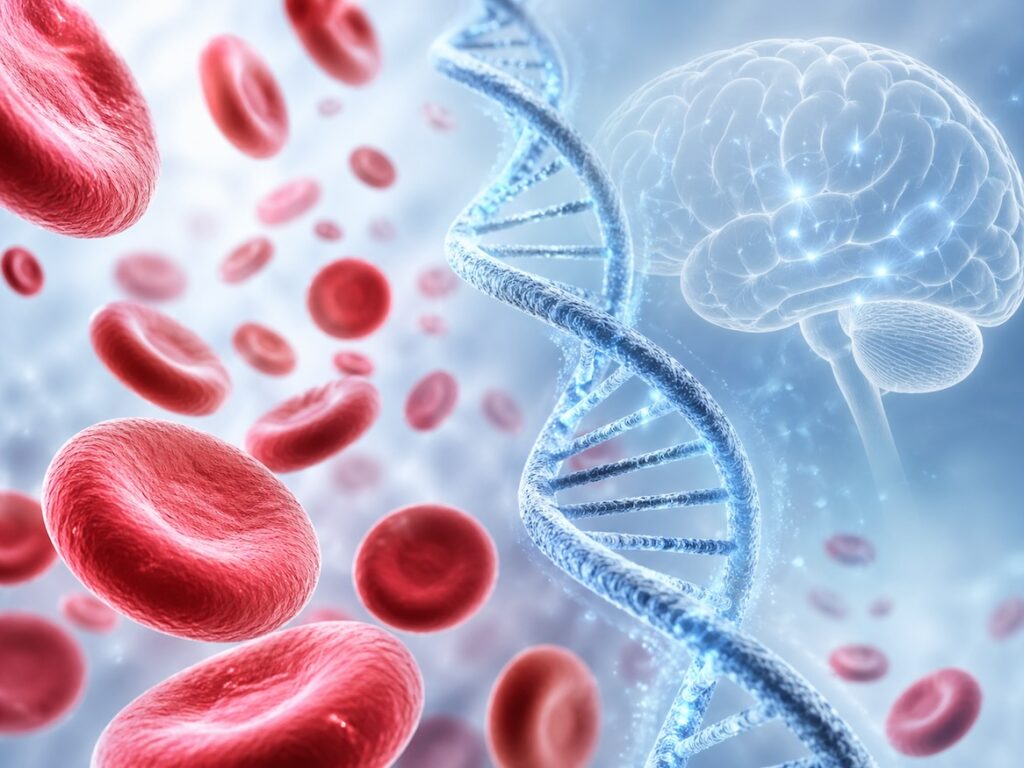
The BCL11A gene, associated with this disease, encodes a protein known as a “transcription factor.” This protein regulates when and how much certain genes function in cells. The BCL11A transcription factor is important for both brain development and the control of fetal hemoglobin levels in blood cells.
After the diagnosis of BCL11A-related Dias–Logan syndrome, the patient’s fetal hemoglobin level was also tested. Fetal hemoglobin, also known as HbF, is normally expected to decrease after infancy. In this patient, however, HbF was found to be higher than expected, which further supported the genetic diagnosis.
The high HbF level also changed the patient’s follow-up. While the patient was previously monitored mainly for neurological and developmental findings, she is now also being monitored for possible blood-related conditions due to the high fetal hemoglobin level. Thus, the genetic diagnosis directly affected the patient’s medical care.
In addition, the diagnosis answered an important question for the family. Further analysis showed that this genetic change was not inherited from either parent but had newly occurred in the patient. This is known as a de novo genetic change. Thanks to this information, the family could be informed that the risk of the same condition recurring in future pregnancies is low.
This case shows why reaching an accurate diagnosis is so important in rare diseases. A diagnosis does more than give a name to a condition. It helps determine which specialists should follow the patient, which tests should be performed, and what information should be shared with the family. Genetic diagnosis can therefore provide a clearer roadmap for both the patient and their family.
—
Researchers who conducted the study:
Safa Mete Dağdaş1 , Ayça Yiğit2 , Mehmet Semiz1 , Mert Pekerbaş2 , Uğur Özbek2 , Pınar Gençpınar3
1 The University of Health Sciences, Izmir Faculty of Medicine, Izmir City Hospital, Pediatric Neurology Clinic, Izmir
2 Izmir Biomedicine and Genome Center, Izmir
3 Izmir Katip Çelebi University, Department of Pediatric Neurology, Izmir